Lime
X

SOLAR PANEL PAYBACK PERIOD IN THE UK.

See how solar panel payback works, what affects your return and why the right number depends on your home, usage and system design.

WHAT IS A SOLAR PANEL PAYBACK PERIOD?

A solar panel payback period is the time it takes for your solar savings and export payments to cover the upfront cost of your system.

In simple terms, it is the point where the money your solar panels have helped you save catches up with what you paid to install them.

But there is no single payback period that fits every home. Your payback depends on your installation cost, how much electricity your panels generate, how much of that power you use yourself, whether you add battery storage, your electricity tariff and any export payments you receive.

That is why LIME does not rely on one generic number. We look at your roof, your usage and your system options, then show you a clearer view of what your solar payback could look like.

WHAT AFFECTS SOLAR PAYBACK?

piggy bank with pink coin icon

UPFRONT COST

The lower the net cost of your system, the sooner your savings can catch up. System size, battery storage, roof work and product choice all matter.

Solar panels on roof with sun icon

HOW MUCH YOU USE

The more of your own solar electricity you use at home, the less you need to buy from the grid. This can improve payback.

Lightning bolt icon

EXPORT PAYMENTS

If your system is eligible, you may be able to earn money for surplus electricity exported to the grid through a suitable tariff.

HOW SOLAR PAYBACK WORKS.

Solar payback is built from three main parts: what the system costs, what it saves, and what it may earn.


The cost is the amount you pay for the solar panels, inverter, installation and any extras such as battery storage. The saving comes from using your own solar electricity instead of buying as much electricity from the grid. The earning can come from exporting unused electricity through an eligible export tariff.


A simple payback calculation looks like this:


Solar payback period = total system cost divided by estimated annual benefit.


That annual benefit usually includes bill savings plus any export payments. The better the system is matched to your home and usage, the more useful the payback estimate becomes.


The important thing is not chasing the shortest possible payback on paper. It is getting a system that makes sense for your home, your budget and your long-term energy use.


WHAT LIME LOOKS AT WHEN CALCULATING PAYBACK.

A useful payback estimate should be built around real home details, not a rough national average. These are the factors LIME would review before giving you a clearer view of your likely return.

ROOF SPACE AND DIRECTION

Affects how many panels can be installed and how much electricity the system can generate.

SHADING

Trees, chimneys, neighbouring buildings and roof shape can reduce generation.

ELECTRICITY USAGE

Homes that use more electricity may have more opportunity to offset grid energy.

DAYTIME USAGE

Using electricity while panels are generating can improve self-consumption.

BATTERY STORAGE

A battery may help you use more solar energy later, but it also changes upfront cost.

EXPORT TARIFF

Export payments can support payback, but rates vary by supplier and tariff.

FINANCE

If you use finance, monthly payments and total cost should be explained separately.

GET YOUR SOLAR QUOTE

WHY PAYBACK IS DIFFERENT FOR EVERY HOME.

Two homes can install similar solar systems and still see different payback periods. The reason is simple: payback is driven by usage, tariff, roof performance and system design.

https://www.lime.online/wp-content/uploads/2026/09/Small_Home.png

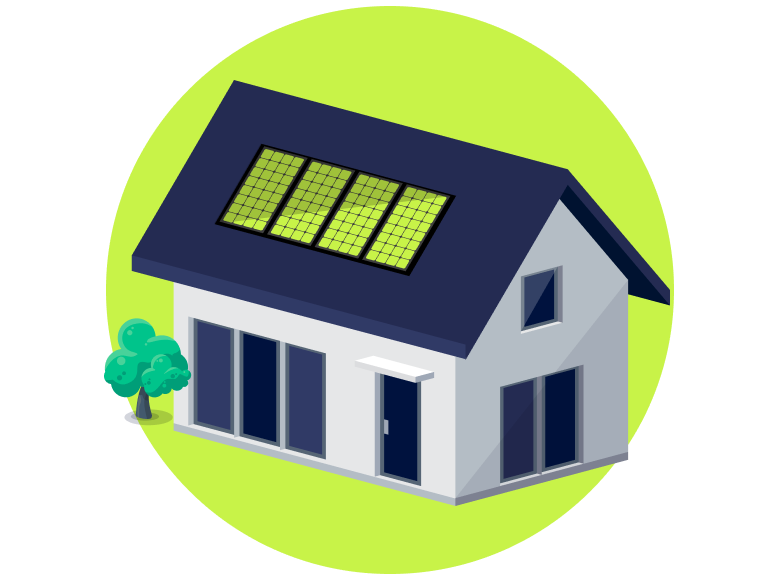
Lower-use Home

Lower electricity use, simpler system, limited daytime demand.

May need a smaller system. Payback depends heavily on how much solar electricity is used in the home.

https://www.lime.online/wp-content/uploads/2026/09/Family_Home.png

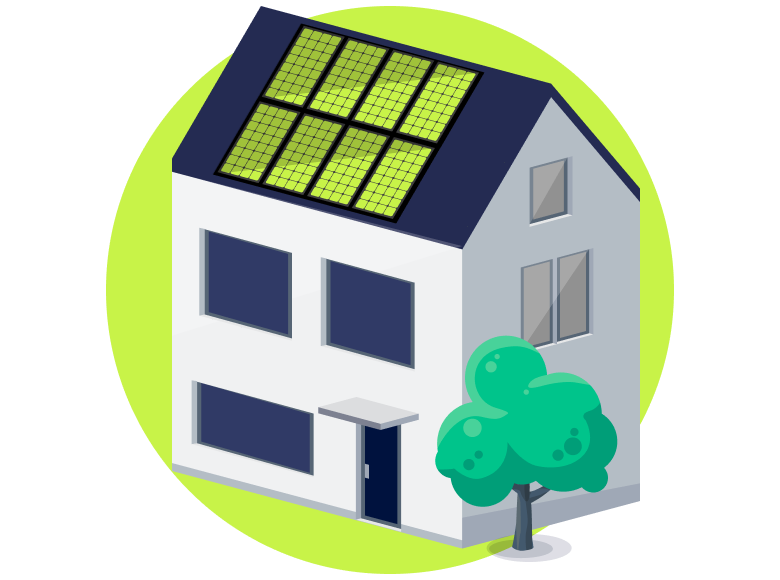
Family Home

Higher daily electricity use, appliances, home working, evening demand.

Often has more opportunity to offset grid electricity, especially if usage and battery options are well designed.

https://www.lime.online/wp-content/uploads/2026/09/Large_Home.png

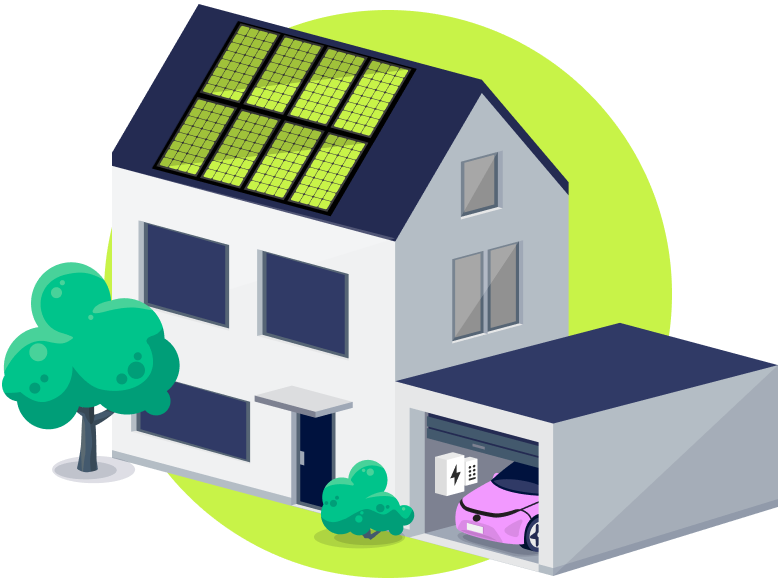
Higher-use Home

EV charging, electric heating, larger property, higher daytime usage.

May see stronger savings potential, but system cost and design become even more important.

Your actual payback period will depend on your home, system size, electricity use, tariff, export payments, battery options and installation cost. LIME will show you the numbers clearly before you decide.

DOES A BATTERY CHANGE THE PAYBACK PERIOD?

  • Adding a battery usually increases the upfront cost of the system. But it may also help you use more of the electricity your panels generate, especially if your home uses more power in the evening when solar generation is lower.
  • That means a battery can improve the usefulness of your solar system, but it does not automatically shorten payback for every home. The right answer depends on your usage pattern, tariff, battery size and how much surplus energy your panels are likely to generate.

LIME can help you compare solar only and solar with battery storage, so you can see the difference clearly before making a decision.

HOW TO IMPROVE SOLAR PAYBACK.

USE MORE SOLAR POWER YOURSELF

The more solar electricity your home uses directly, the less electricity you need to buy from the grid. Smart usage and battery storage may help.

GET THE RIGHT SYSTEM SIZE

Too small and you may miss savings. Too large and you may pay for capacity you do not use well. Design matters.

CHECK TARIFFS AND EXPORT OPTIONS

Electricity prices and export tariffs can affect your payback. LIME should avoid publishing static tariff assumptions without review.

WHAT WE LOOK AT WHEN CALCULATING YOUR SAVINGS.

Solar is a long-term decision. LIME helps you understand the numbers clearly, without jargon, pressure or one-size-fits-all estimates.

Tick mark icon

CLEAR NUMBERS

We explain what affects cost, savings and payback in plain English.

Tick mark icon

DESIGNED AROUND YOUR HOME

Your payback estimate should reflect your roof, usage and system options.

Tick mark icon

NO GUESSWORK

We help you make a confident decision before moving ahead.

GET A CLEARER VIEW OF YOUR SOLAR PAYBACK.

  • STEP 1: TELL US ABOUT
    YOUR HOME

    Start with your postcode and a few simple details about your property and electricity use.

  • STEP 2: WE DESIGN THE RIGHT SYSTEM YOU

    LIME reviews your roof, usage, battery options and goals.

  • STEP 3: SEE THE NUMBERS CLEARLY

    We explain cost, savings and estimated payback in plain English.

  • STEP 4: MAKE A CONFIDENT DECISION

    No jargon. No pressure. Just a clearer view of whether solar is right for you.

FAQ’S

What is a solar panel payback period?
Arrow

It is the time it takes for your solar savings and any export payments to cover the upfront cost of your system. In simple terms, it is the point where your system has effectively paid for itself through savings and returns.

How long do solar panels take to pay back in the UK?
Arrow

There is no single answer for every home. Payback depends on system cost, electricity use, roof performance, battery storage, tariff and export payments. LIME should calculate this around your home rather than relying on a generic figure.

What makes solar payback faster?
Arrow

Using more of your own solar electricity, choosing the right system size, reducing grid electricity use and accessing a suitable export tariff can all help. The right design matters more than simply adding more panels.

Does a solar battery improve payback?
Arrow

It can, but not always. A battery may help you use more of your own solar electricity later in the day, but it also increases upfront cost. The impact depends on your usage, tariff and battery size.

Is solar payback the same as solar savings?
Arrow

No. Savings are the amount you save on bills or earn from export payments. Payback is the time it takes for those savings and payments to cover the initial installation cost.

Do export tariffs affect solar payback?
Arrow

Yes. If your system is eligible and you export surplus electricity, the tariff rate you receive can affect your overall return. Export rates vary, so they should be checked before relying on any payback estimate.

Does electricity price affect solar payback?
Arrow

Yes. If grid electricity prices rise, the value of the electricity you avoid buying can increase. If prices fall, the savings calculation can change. That is why payback estimates should be reviewed using current tariff assumptions.

Can finance affect my payback period?
Arrow

Yes. If you finance your solar system, monthly repayments and total finance cost should be considered separately from a simple cash payback calculation. LIME should explain this clearly before you decide.

Do solar panels still save money after they have paid back?
Arrow

Once the system has reached its payback point, ongoing generation can continue to reduce bills and potentially earn export payments, subject to system performance, tariffs and maintenance requirements.

How do I get a personalised solar payback estimate?
Arrow

The best way is to get a system designed around your property. LIME can review your roof, electricity use, system size, battery options and tariff assumptions to give you a clearer estimate.

READY TO SEE YOUR SOLAR PAYBACK?

Get a clearer view of what solar could cost, what it could save and how long it could take to pay back for your home.

No jargon. No pressure. Just smarter energy, made simple.

Name
Address