WHY SOLAR VALUE VARIES BY HOME.
The same solar system can deliver different value for different households. Usage patterns, roof performance and battery choices all affect the result.


For many homes, yes – but not every home is the same. See what affects solar value, payback and savings, then get clear advice based on your property.
For many UK homes, solar panels can be worth it. They can reduce electricity bills, lower reliance on the grid and help you generate cleaner power at home.
But the right answer depends on your property. A suitable roof, strong electricity use, good system design and clear savings assumptions all make a difference. A heavily shaded roof, very low electricity use or poor system sizing can reduce the value.
That is why LIME does not treat solar as a one-size-fits-all product. We look at your roof, usage, battery options, tariff assumptions and payback before recommending a system.

Good roof space, limited shading and a strong orientation can help your panels generate more electricity.

The more solar power you use at home, the less electricity you may need to buy from the grid.

Solar can make more sense when you plan to stay long enough to benefit from savings and payback.

Trees, chimneys or nearby buildings can reduce generation and affect savings.
Low electricity use can make savings smaller unless storage or usage habits improve the fit.
Roof condition, planning restrictions, leasehold rules or shared roofs may need checking first.
The value of solar usually comes from three places: the electricity you use yourself, any surplus power you export, and the longer-term benefit after the system has paid back.
A good solar quote should not just show a panel price. It should explain system cost, expected generation, how much electricity your home is likely to use, export assumptions, battery options and estimated payback.
LIME keeps this simple. We show the assumptions behind the numbers, explain what affects them.
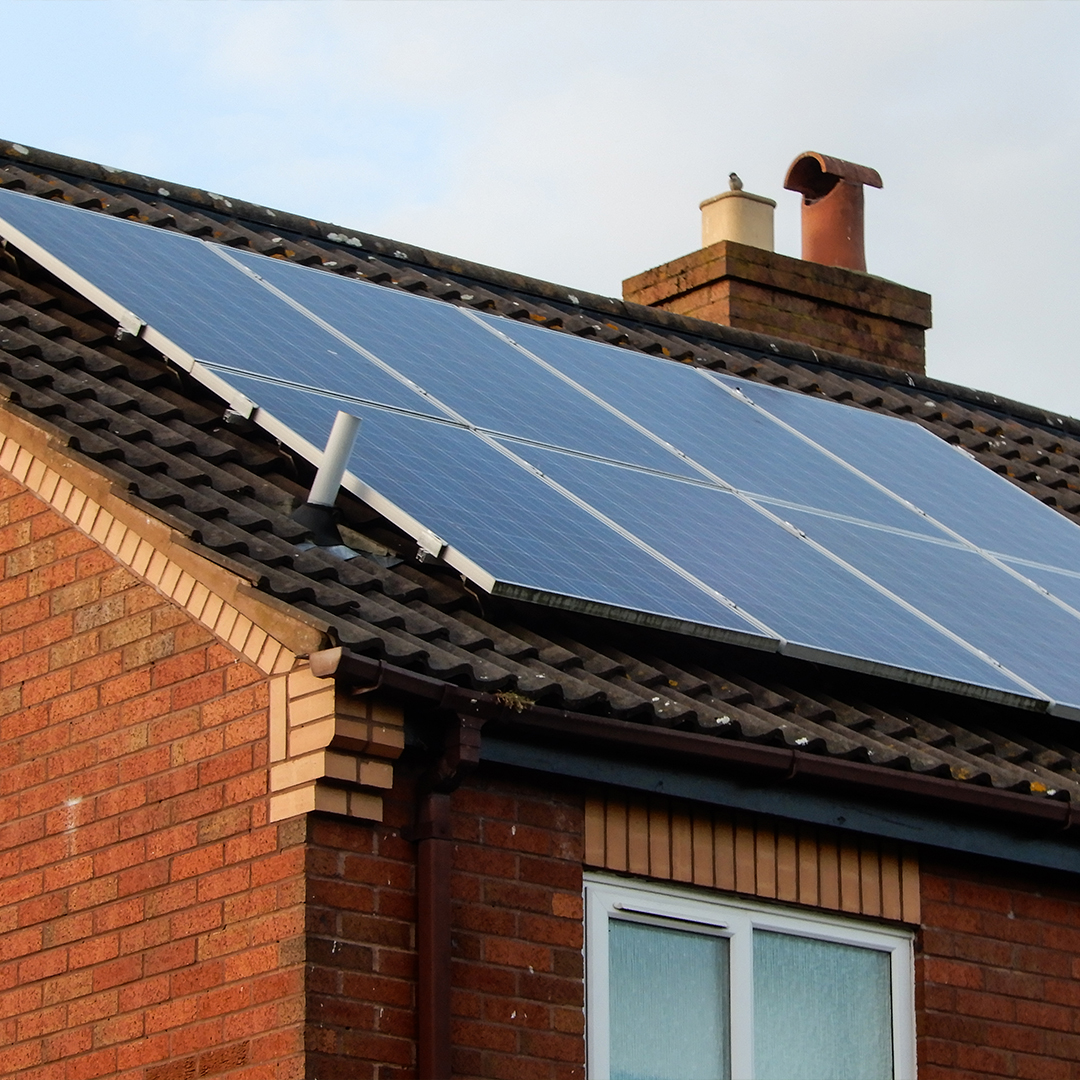

The same solar system can deliver different value for different households. Usage patterns, roof performance and battery choices all affect the result.
Use more of the electricity your home generates during the day.
Use stored energy later instead of buying as much electricity from the grid.
Understand the numbers before deciding whether battery storage is right for you.
Battery storage can help you use more of your own solar electricity. Instead of exporting surplus power straight away, you can store some of it and use it later, such as in the evening.
For some homes, that can improve the value of a solar system. But a battery also increases upfront cost, so it needs to be included properly in the payback calculation.
LIME will help you understand whether battery storage makes sense for your usage, budget and goals.
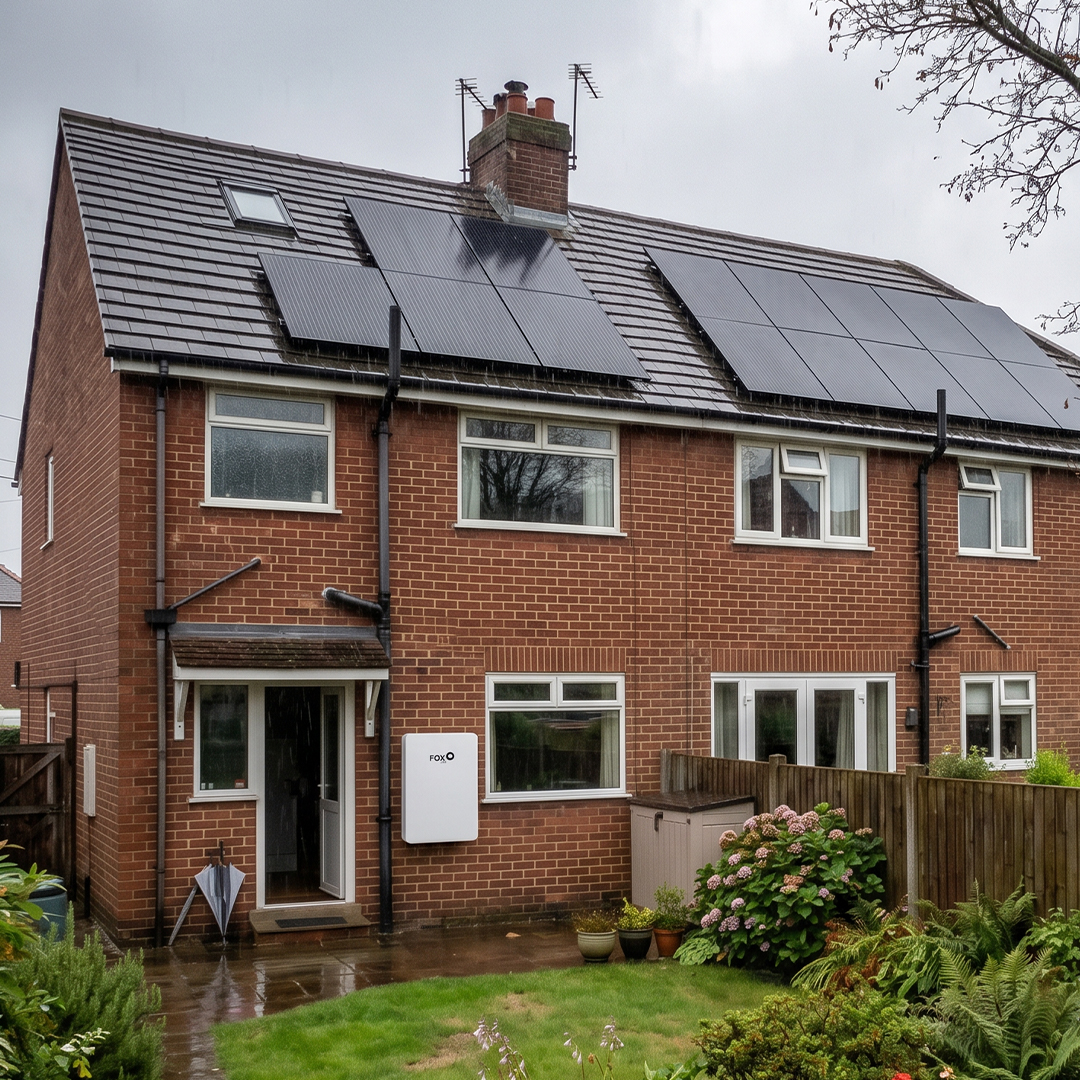
If your solar system generates more electricity than your home is using, you may be able to export surplus electricity back to the grid through a suitable export tariff.
Export payments can support the overall return, but supplier rates and terms vary. The power you use at home is often especially valuable because it may reduce the electricity you need to buy from the grid.
Electricity prices also affect the calculation. When grid electricity is expensive, the value of using your own solar electricity can increase. This is another reason solar should be assessed with current tariff assumptions rather than old averages.
Solar helps your home generate renewable electricity and reduce carbon from day-to-day power use.
Generating your own electricity can reduce reliance on buying every unit from the grid.
Solar can work alongside battery storage, EV charging and smarter home energy technology.
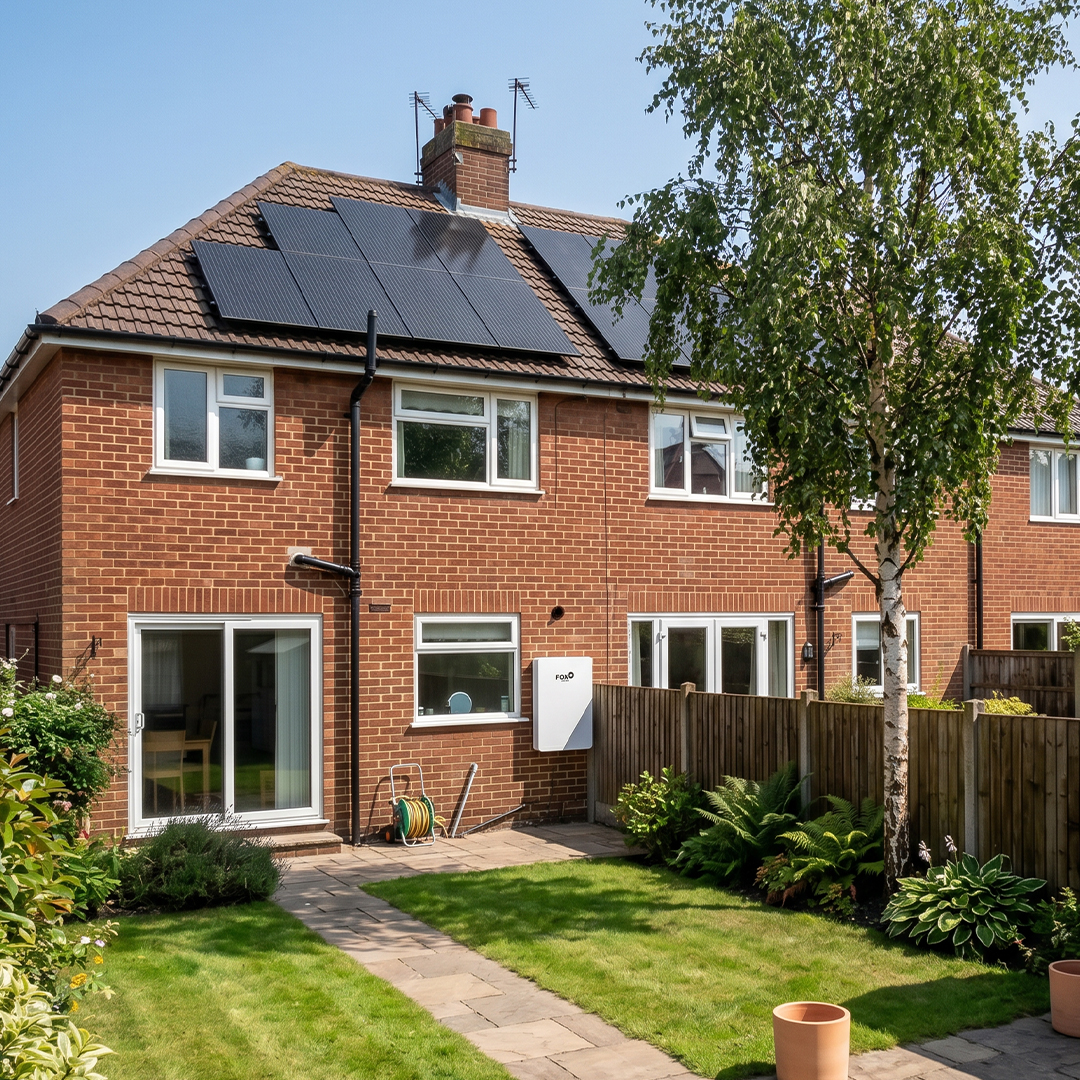
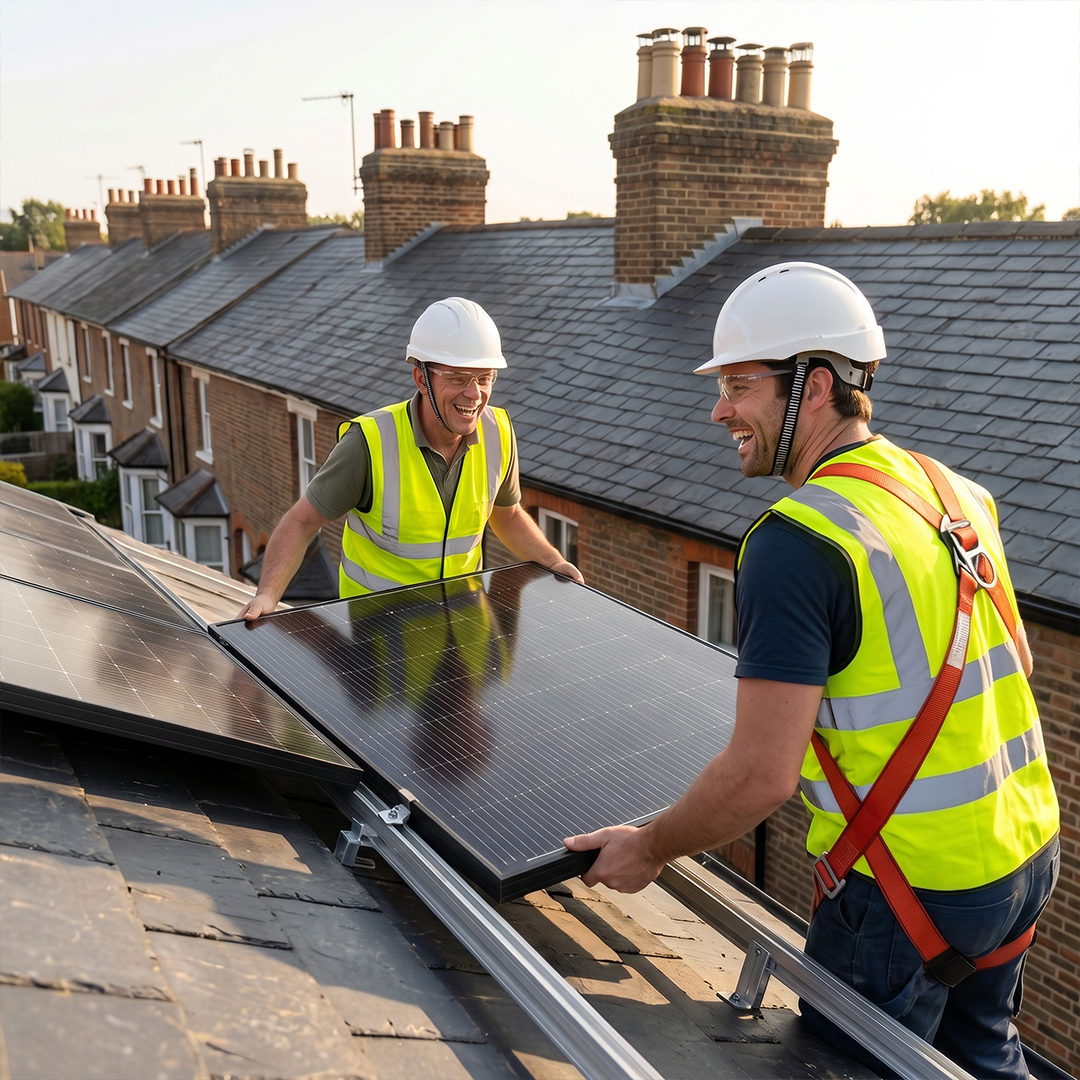
We look at your roof, usage, battery options and goals before recommending a system.
We explain what drives the numbers and what assumptions sit behind your estimate.
From assessment to installation and aftercare, we keep the process clear and practical.
Start with your postcode and a few simple property details.
Our team looks at the practical factors that affect performance and savings.
We show system options, battery considerations, savings assumptions and estimated payback.
No jargon, no pressure, just a clearer view of whether solar is worth it for you.
Want to understand the numbers before you decide? Explore our simple solar guides and get clear answers on cost, savings, battery storage and whether solar is right for your home.

For many homes, yes. Solar panels can reduce electricity bills, lower reliance on the grid and support cleaner energy use. The value depends on your roof, usage, system cost, battery options, export tariff and payback.
Solar is usually more attractive when you have a suitable roof, limited shading, good electricity demand and a system designed around how your home actually uses energy.
Solar may be less suitable if the roof is heavily shaded, north-facing, in poor condition, restricted by planning or leasehold rules, or if your household uses very little electricity.
Yes. Solar panels use daylight, not heat, so they can still generate electricity on cloudy days. They usually generate more in brighter months and less in darker winter months.
Sometimes. A battery can help you use more of your own solar electricity, but it also adds upfront cost. Whether it improves value depends on your usage pattern and system design.
In many cases, you may be able to export unused electricity through a suitable export tariff. Rates and terms vary by supplier, so export income should be treated as an assumption, not a fixed guarantee.
There is no single answer. Payback depends on installation cost, generation, how much solar electricity you use, export payments, battery storage, energy prices and how long you stay in the property.
The best route is to get an assessment based on your property, not a national average. LIME can review your roof, usage and options, then show the numbers clearly before you decide.
Get clear advice, honest assumptions and a solar recommendation designed around your home.
No jargon. No pressure. Just smarter energy, made simple.