HOW SOLAR PANEL SAVINGS WORK.
Solar savings are created in a few different ways.


See how solar panels can help reduce your electricity bills, what affects your savings and how LIME calculates a system around your home, usage and goals.
That is why LIME does not rely on one generic savings figure. We look at your roof, your usage, your system size and your options, then show you the numbers clearly before you decide.

The more solar electricity your home uses directly, the less electricity you may need to buy from the grid.
Battery storage can help you use more of your own solar power in the evening or when your panels are generating less.

If your system is eligible, you may be able to earn payments for surplus electricity exported back to the grid.
Solar savings are created in a few different ways.
First, your panels generate electricity during daylight hours. When your home uses that electricity, you avoid buying that amount from the grid. This is usually the most important part of the savings calculation.
Second, if you add a battery, you can store unused solar energy and use it later. This can be useful for homes that use more electricity in the evening, or for households that want to make more of the power they generate.
Third, if your system and meter setup are eligible, you may be able to export surplus electricity back to the grid through a suitable export tariff. That can add value, but tariff rates and rules vary, so it should be treated as part of the calculation, not a guarantee.


Your roof size, direction, pitch and shading affect how much electricity your system could generate.
Your annual usage and daily habits affect how much solar electricity you are likely to use yourself.
Homes using more power during daylight hours may use more solar directly. Evening-heavy homes may benefit from battery storage.
A battery can increase upfront cost, but may improve how much solar power you use at home.
Export payments can add value if your system, meter and tariff are eligible.
EV charging, heat pumps, home working and family growth can all change the right system design.
Two homes with the same number of panels can see different savings. The reason is simple: savings depend on how much solar electricity the home actually uses, and when it uses it.

Homes with daytime electricity use may use more solar power directly, which can improve bill savings.
If the home is empty for most daylight hours, battery storage or smart appliance scheduling may become more important.
Homes with EV charging, higher appliance use or future electric heating may benefit from a system designed around bigger
We created a free guide to help homeowners understand solar, batteries, savings, and quotes – without the jargon.
Battery storage and export tariffs can both affect your solar savings, but they work in different ways.
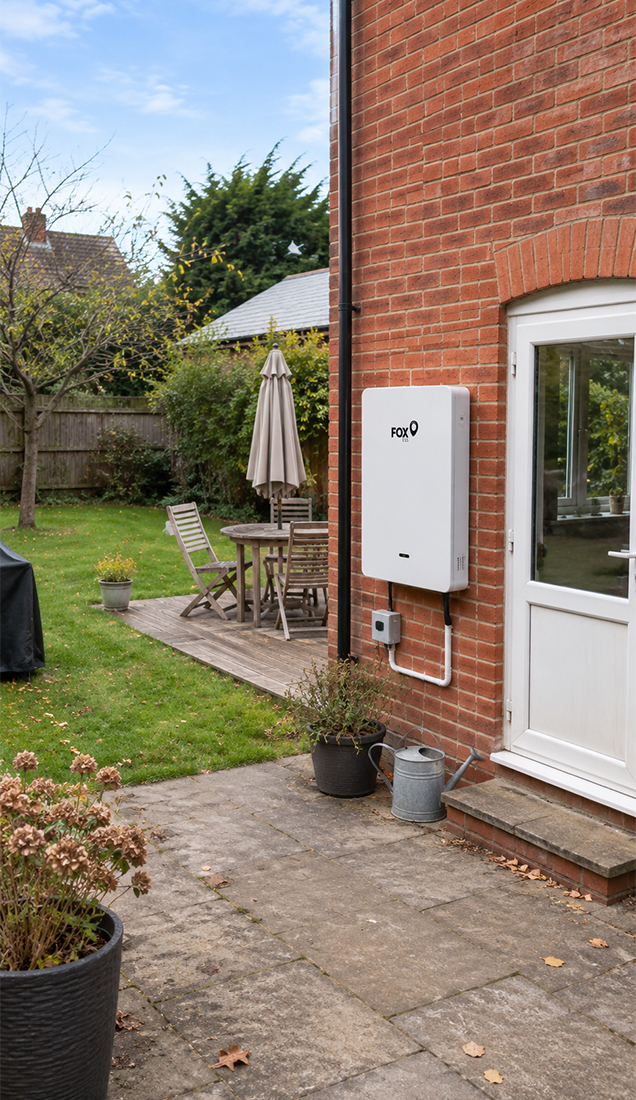
A battery can help you store unused solar electricity and use it later, rather than relying on the grid during the evening. This may improve savings for homes that use more electricity outside daylight hours.
Export tariffs can pay you for surplus renewable electricity sent back to the grid, where your system and meter setup are eligible. Payments are not automatic, and tariff rates vary by supplier, so they should be checked as part of the quote process.
Homes that want to use more of their own solar electricity later in the day.
Homes that generate more electricity than they use at certain times and qualify for a suitable export tariff.
Payback is the point where your savings and export value have helped offset the upfront cost of the system.
The payback period depends on the system cost, your annual savings, your export payments, battery choice, electricity prices and how long you stay in the property. A lower upfront cost does not always mean the best long-term value if the system is poorly designed or does not match your usage.
LIME helps you look beyond the headline price. We show the expected savings, payback and system design clearly, so you can make a decision based on value rather than guesswork.

The total installed price of the solar system and any battery storage.

How much grid electricity you may avoid buying each year.

Potential payments for surplus electricity exported back to the grid.


The right system design matters, but how you use electricity matters too. Small changes can help your home use more of the power your panels generate.
Run appliances, charge devices or plan higher-use activity when your panels are generating, where practical.
A battery can help store unused solar power for later, especially if your home uses more electricity in the evening.
Compare export options carefully. The best tariff depends on your supplier, meter setup and usage.
A system should be designed around roof space, energy use and future demand, not just the biggest possible number of panels.
Monitoring can help you understand when your home uses electricity and how much solar you are using directly.
Solar savings should be easy to understand. You should know how the numbers have been calculated, what assumptions are being used and what could affect the result.
LIME designs solar around your property, not a generic savings table. We look at your roof, usage, battery options, export potential and future energy plans before recommending a system.
No jargon. No pressure. Just clear advice and a solar system designed to work for your home.
We assess your roof, usage and goals before estimating savings.
We explain what affects your bill reduction, export value and payback.
We help you understand panels, battery storage, monitoring and future energy options clearly.
With LIME, you get clear advice, premium technology and a team that explains
the numbers without the jargon.
Designed specifically for your home, installed with care, utilising smarter energy technology.
Nothing complicated, just a few simple steps.
Start with your postcode and a few simple details about your property and energy use.
We look at your roof, system options, usage profile, battery options and export potential.
We show your estimated cost, savings, payback and recommended setup in plain English.
If solar makes sense, we make the next step simple. If it does not, we will tell you clearly.

Your savings depend on your roof, system size, electricity use, tariff, export payments and whether you add battery storage. LIME calculates savings around your home rather than relying on one generic number.
Yes, solar panels can reduce electricity bills by generating electricity your home can use instead of buying as much from the grid. The amount depends on how much solar power you use directly.
The biggest factors are system generation, how much electricity you use, when you use it, your export tariff, battery storage and where your home is in the UK.
A battery can help some homes use more of their own solar electricity later in the day. It can increase upfront cost, so the right choice depends on your usage, tariff and savings estimate.
In many cases, eligible systems can export surplus electricity through a suitable export tariff, such as a Smart Export Guarantee tariff. Payments are not automatic and tariff rules vary.
Payback depends on system cost, annual savings, export payments, battery choice, electricity prices and how long you stay in the property. LIME can show a personalised payback estimate.
Solar panels generate less in darker winter months than in brighter months, but they can still generate electricity from daylight. Annual savings should be viewed across the full year.
It can still be worth considering. If you are out during daylight hours, battery storage, smart appliance scheduling or export payments may become more important to the overall value.
The best way is to use real details about your roof, usage, location, tariff and battery options. LIME can assess your home and provide clearer numbers before you decide.

Get clear advice, honest numbers and a solar recommendation designed around your home.
No jargon. No pressure. Just smarter energy, made simple.